

How to Lock Your Bike Securely with a D-Lock
A good D-lock is one of the most effective ways to help protect your bike when you’re out and about. But where and how you use it matters. From securing your frame and rear wheel to adding a second lock for extra protection, here’s how to get the most from your D-lock.
The best way to use a D-lock
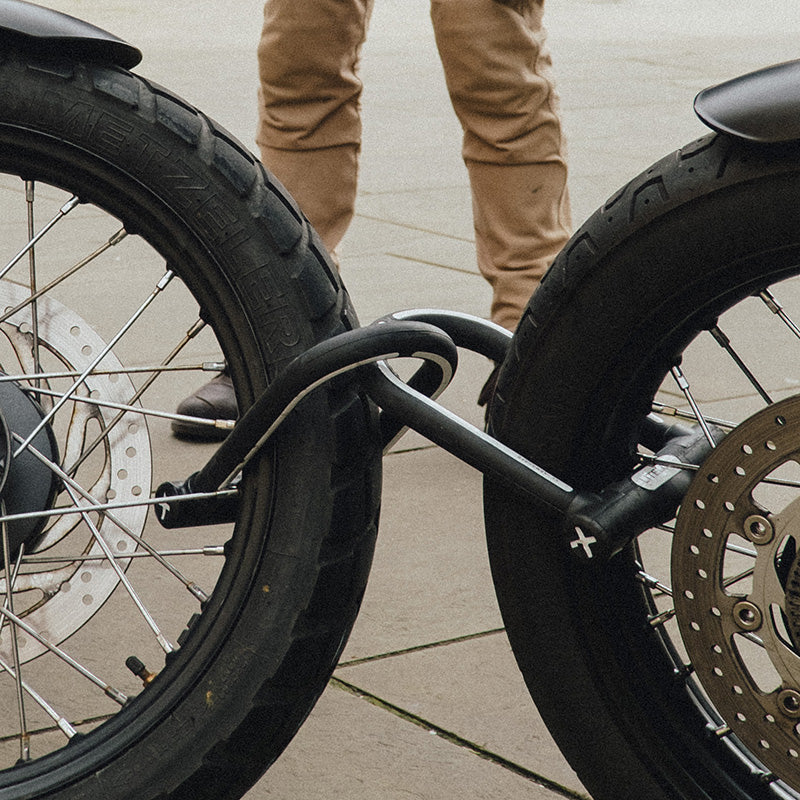
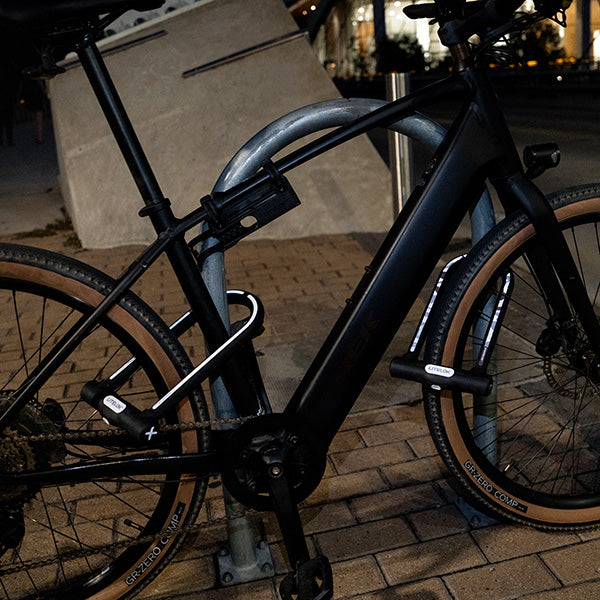
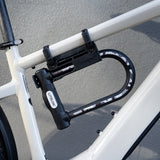
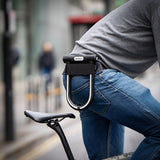
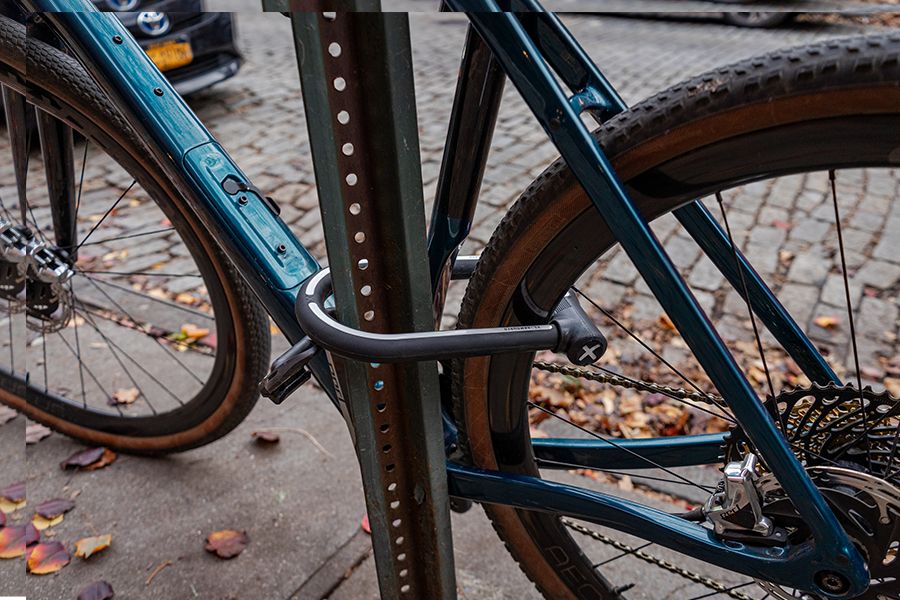
The best place to start is by securing your rear wheel and frame together to an immovable object. This helps prevent your bike from simply being lifted away or the wheel being removed separately. Whenever possible, make sure the object you’re locking to is secure, fixed in place and designed for locking bikes. The less room you leave around your lock, the harder it is for thieves to get an angle grinder into position.

Add a second lock for extra security
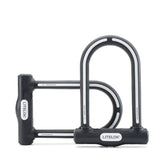
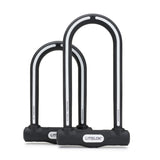
For an additional layer of protection, use a secondary D-lock to secure your front wheel and frame to an immovable object. Using two locks means you can protect both wheels as well as the frame, making your bike a much less attractive target for thieves.
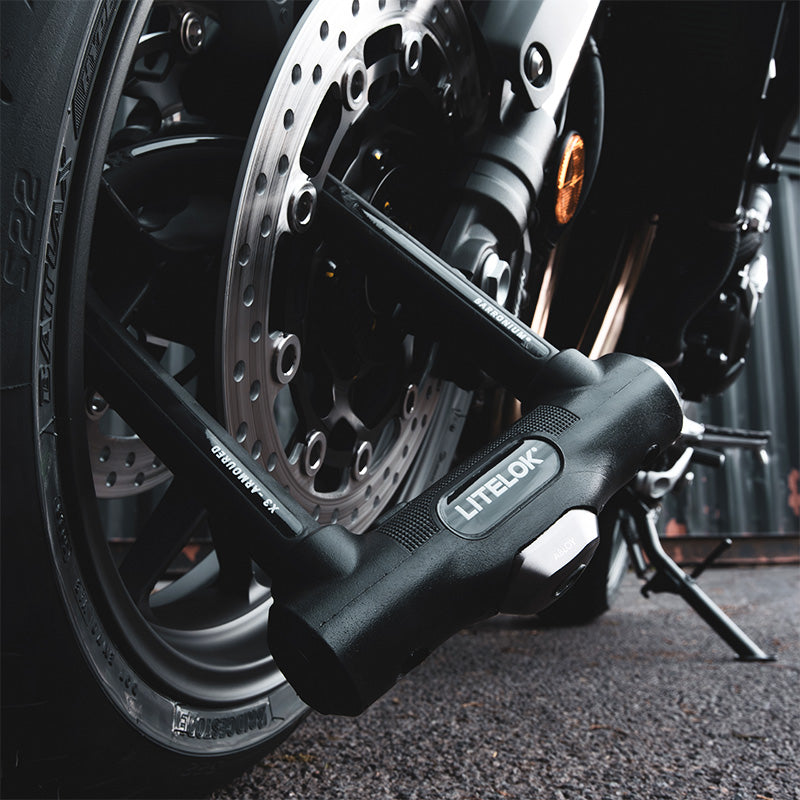
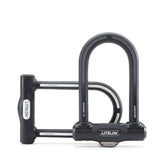
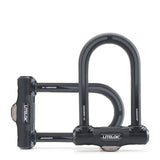
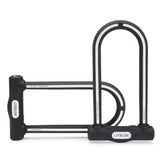
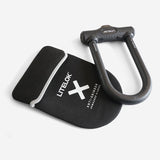
With the LITELOK X range, thieves would also need to make more cuts. Each lock features a unique anti-rotation design that helps protect against single cuts and twisting attacks. A single LITELOK D-lock therefore requires two successful cuts to be defeated, consuming multiple grinding discs, grinder battery power and, crucially, time, all resources that thieves have limited access to.

Using two LITELOK D-locks increases this to four successful cuts, requiring even more grinding discs, battery power and valuable time, making the theft significantly more difficult and unachievable. Most thieves would just move onto an easier target.
LITELOK X bundles provide an ideal locking setup for different riding lifestyles, whether you ride an e-bike, cargo bike, road bike or something else.
Choose the right D-lock for your bike
The level of security you need can depend on where you ride and where you leave your bike. If you regularly lock up in a high-risk area, you may want to choose a stronger, more robust lock like the LITELOK X3. For lower-risk environments or shorter stops, a LITELOK X1 or a flexible lock might be more convenient.
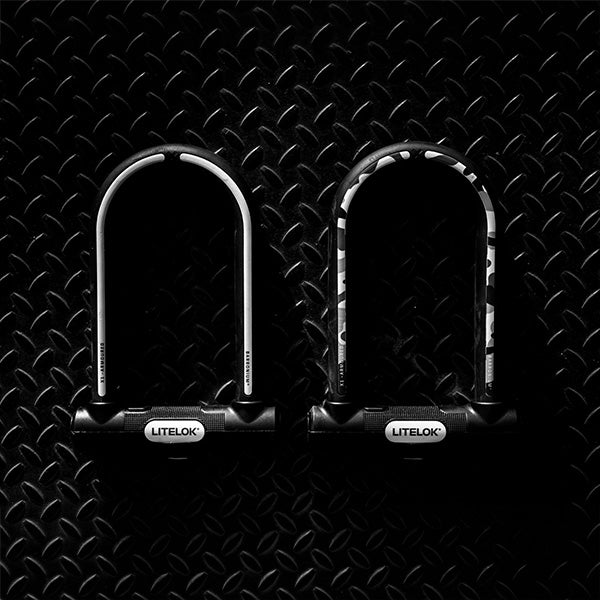
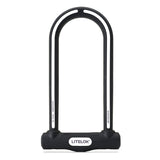
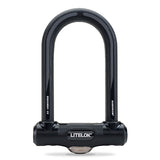
LITELOK offers a range of D-locks to suit different bikes, riding styles and security needs, from the compact LITELOK X1 Mini to the strongest lock in the range, the LITELOK X3.
Not sure which lock is right for you? Try our lock quiz to find your perfect match based on your bike and cycling environment.
Consider a flexible secondary lock
Your second lock doesn’t necessarily have to be another D-lock. A more flexible option can make it easier to secure your front wheel, frame and other components. The LITELOK Core Plus, Core Flex, or LITELOK One can be useful options when you want additional flexibility alongside your main D-lock.

How NOT to lock your bike with a D-lock
Even the best lock can’t protect your bike if it isn’t used correctly. Here are a few common mistakes to avoid:
- Don’t lock just the wheel. Avoid locking only your wheel to a post, particularly if the frame isn’t secured. A thief may be able to remove the wheel and take the rest of the bike.
- Don’t lock through the spokes. Never rely on putting your D-lock through the spokes of a wheel. This doesn’t properly secure the bike and can leave the frame vulnerable.
- Check what you’re locking to. Always make sure you’re locking your bike to an immovable, secure object. Don’t assume a post or stand is secure, give it a quick check before you lock up.
- And, as obvious as it sounds, make sure you’re actually locking your bike. In a rush, it’s surprisingly easy to accidentally attach your lock to someone else’s bike!
Take a few extra seconds to lock up properly.
A secure bike lock setup doesn’t need to be complicated. Start by securing your frame and rear wheel to an immovable object, then consider adding a second lock to protect the front wheel and frame. Choose the right level of security for your riding environment, take a moment to check your lock is properly fitted, and you’ll have a much better chance of keeping your bike where you left it.
How to choose a D-lock
There are plenty of D-locks available at a range of price points, from around £20 upwards. Generally, higher-security locks cost more to manufacture, so you’ll often find that better protection comes with a higher price tag. However, a more expensive lock isn’t necessarily a more secure one, so it’s important to look at the lock’s security rating and what it has been tested against rather than price alone.
- Look for a Sold Secure Diamond rated D-lock that has been tested against angle-grinder attacks.
- Check the dimensions carefully to make sure the lock is suitable for your bike. D-locks vary in their internal and external dimensions, so consider how you want to secure your bike and whether you plan to mount the lock to your frame or carry it in a backpack.
- Read reviews and look at independent testing. YouTube reviews and real-world testing can be useful for understanding how a lock performs, while customer reviews can highlight practical things such as weight, ease of use and durability.
- Be cautious with numerical security ratings. Some brands use their own numerical rating system for locks, but these ratings aren’t directly comparable between brands. For example, a score of 10 from one manufacturer doesn’t necessarily mean the lock offers a high level of protection. Look at what the lock has actually been tested against, and where possible, check for an independent Sold Secure rating.
- Check whether the lock is recognised by Secured by Design, the official police security initiative owned by UK policing.
View the LITELOK X range here.


Leave a comment
This site is protected by hCaptcha and the hCaptcha Privacy Policy and Terms of Service apply.